Comment: England don’t lack talent. They are learning belief, but the real test still lies ahead
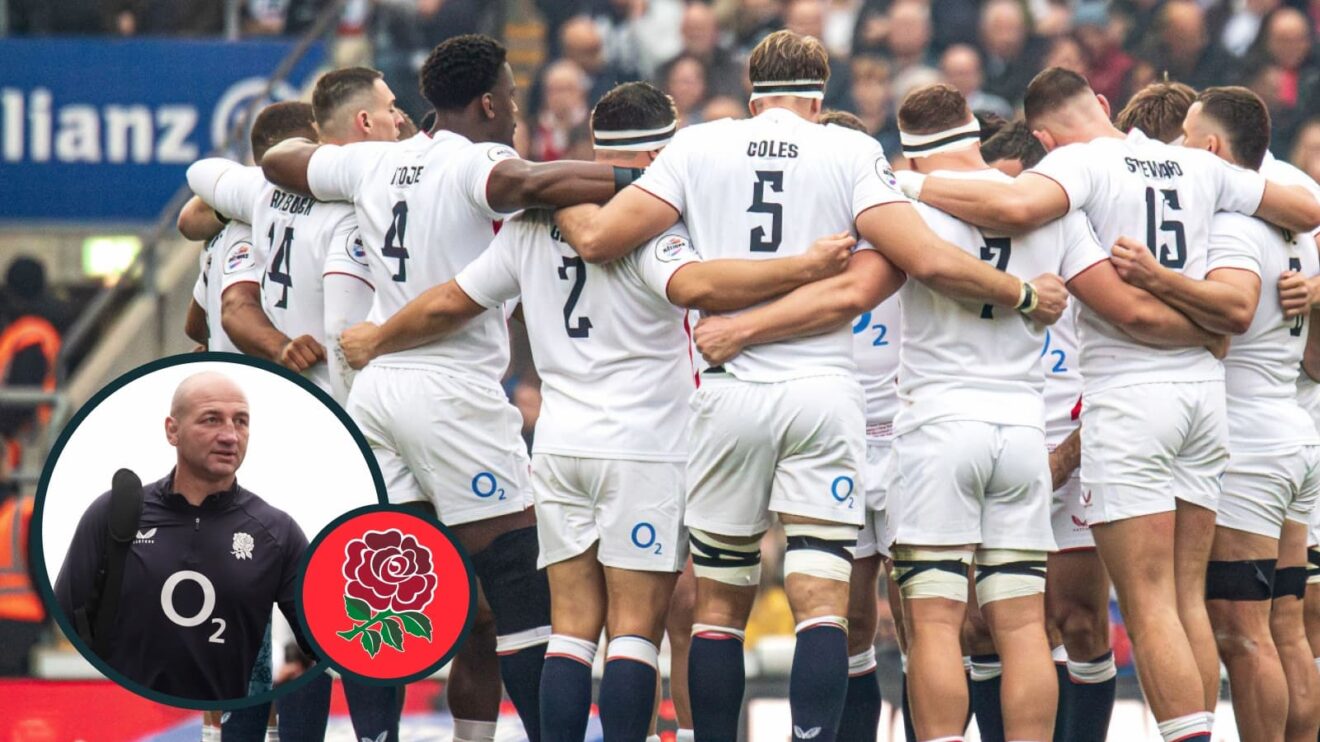
England have enjoyed a hugely impressive year.
There is something quietly significant about England’s recent winning run, even if it hasn’t always been spectacular or universally convincing. Wins, after all, have a habit of doing something that analysis, rhetoric and endless selection debates never quite manage on their own; they build belief.
That context matters, because England are no longer a side searching blindly for confidence. Results are arriving, performances are settling, and, most importantly, habits are beginning to form. In short, belief, that most elusive and fragile currency in Test rugby, is starting to re-enter the room. The more interesting question now is not whether England are improving, they clearly are, but whether this emerging belief will hold when the game stops behaving and the pressure turns from theoretical to real.
Winning helps, of course, but belief built through winning is still conditional. It is belief with a safety net and the real examination comes when that net is taken away.
Belief is built in discomfort, not comfort
At Test level, talent gets you into the contest but belief keeps you in it when momentum swings. England‘s player pool remains deep, athletic and technically excellent, and recent victories have helped quiet some of the background noise that previously crept into decision-making.
You can already see the benefits. England start games more calmly and their shape holds for longer, and, as a result, there is less visible anxiety when things don’t immediately go to plan. But when matches tighten, a run of defensive sets without reward, a contentious refereeing decision, a late-game squeeze, belief is still being stress-tested rather than relied upon.
Communication grows louder, and leadership becomes more visible but not always more decisive – but on the flip side emotion occasionally leaks into places where it doesn’t help. These aren’t fatal flaws, nor are they regressions; they are signs of a group still learning how belief behaves under genuine pressure.
Comment: Why South Africa want England again and why the wait matters more than it seems
This is where the Southern Hemisphere remains ahead, and why South Africa in particular continue to set the benchmark. Their belief is not dependent on momentum or scoreboard reassurance. They expect the game to tighten. They expect long periods without reward. When those moments arrive, belief doesn’t flicker, it settles and they come out the other side as winners.
They narrow the focus, simplify the task and accept that suffering is part of the process. Belief there is behavioural rather than emotional, which is why decision-making remains consistent even when the environment becomes hostile. England are moving in that direction, but they are not yet living it.
Ireland show the pathway
Ireland’s rise offers the most compelling Northern Hemisphere example of how belief can be built rather than hoped for. Their golden era did not appear overnight, and it certainly wasn’t conjured up in national team camps alone.
It was forged in Leinster blue, through repeated exposure to knockout rugby, high-pressure European matches and tight finishes that demanded composure rather than inspiration based around a core group that arrived in the Ireland environment already believing that pressure was normal, controllable and expected. That belief spread, decision-making sharpened and hesitation reduced.
For long stretches, Ireland didn’t just compete with the Southern Hemisphere; they out-thought those sides and they beat them, all of them. The challenge, as recent knockout exits have reminded us, is sustaining that belief when the margins tighten further still and the opposition are even more comfortable living in the dark corners of a match.
England’s trajectory suggests they are trying to follow a similar path, but the process is still incomplete.
Progress is real but proof is still to come
England are no longer searching for belief from scratch and the recent winning run has ensured that. But belief that survives friendly conditions is not the same as belief that endures genuine pressure.
That is the stage England are in now: somewhere between promise and proof.
A more recent and genuinely encouraging sign came in the way Steve Borthwick has begun to use his bench in England’s latest Autumn Nations Series wins, particularly when set against how damaging the final 20 minutes had become for them not so long ago. For a period, England’s closing quarters were where control slipped, belief drained and games either tightened unnecessarily or unravelled altogether, as if the final stretch was something to survive rather than own.
Lately, though, the bench has been used not as a panic response but as a statement of intent, introduced proactively to maintain tempo and physical edge rather than to put out fires. The impact has been noticeable. Intensity has lifted rather than dipped, collisions have been won late, and England have looked more comfortable finishing games than clinging to them.
Want more from Planet Rugby? Add us as a preferred source on Google to your favourites list for world-class coverage you can trust.
That shift matters, because it speaks directly to belief beginning to harden; belief in the plan, belief in the squad depth, and belief that the final 20 minutes are a place to impose rather than endure. It’s not the finished article yet, but it is a meaningful step away from a recent past England would rather forget.
Elite Test rugby is not decided by who improves fastest, but by who remains emotionally consistent when improvement is no longer enough. England are moving in the right direction, and the wins matter. The belief is growing and the only question now is whether it will still be there when the moment turns, the margins tighten and reassurance is no longer readily available.
That, more than talent or tactics, is the test that still lies ahead.
READ MORE: From classical cuisine to fusion: why Fabien Galthie’s next evolution may already be on the table