2026 Six Nations in numbers: Penalty kicks deteriorate as most attacking championship on record produces historic results


2026 Six Nations in numbers: Penalty kicks deteriorate as most attacking championship on record produces historic results
The 2026 Six Nations is over, but what a campaign it was! Records smashed, hearts broken, and a whole new set of fans gained.
But what were the numbers behind the action? Let’s find out.
Tournament records
It was the most attack-oriented Championship on record, with teams averaging more carry metres (424m), defenders beaten (24.6), clean breaks (9.6), and offloads (10) per game than ever before.
This attacking mindset led to more tries being scored. The total of 111 tries surpassed the previous record of 108 set in 2025.
Penalty kicks have certainly deteriorated, with only 30 penalty goals successfully kicked – the fewest since 1980, when it was known as the Five Nations, and only featured 10 matches.
This proved to be the worst Six Nations for discipline, with a record 26 cards shown, including both yellow and red, which was five more than the previous high in 2021.
Ugo Monye discusses groundbreaking, non-invasive treatment that’s attracting former rugby players
France
France topped the charts for tries scored (30), offloads (77), defenders beaten (153), kick metres (4034), initial breaks (56), metres per carry (3.9) and many others.
They scored 33 points or more in every single game, shattering the previous record of 25 (set by England in 2003 and France in 2025).
Their backline made 75 clean breaks, which was 33 more than their nearest rival. They also led the tournament in metres made (+685m) and offloads (+27) compared to any other backline.
France retained 65.3% of their contestable kicks (32 total). Crucially, 12 of these regathers led directly to tries; no other team managed more than three.
Louis Bielle-Biarrey set a new all-time Championship record with 9 tries, eclipsing the legendary mark of 8 held by Cyril Lowe (1914) and Ian Smith (1925).
Italy
Their defensive lineout worked well, stealing a joint high of six opposition balls, and they were extremely proactive in the breakdown, winning a joint high of 42 turnovers – level with Ireland.
However, their one-on-one defence was by far the worst in the tournament, missing a devastating 161 tackles over the five games, 25 more than Ireland, who were the closest.
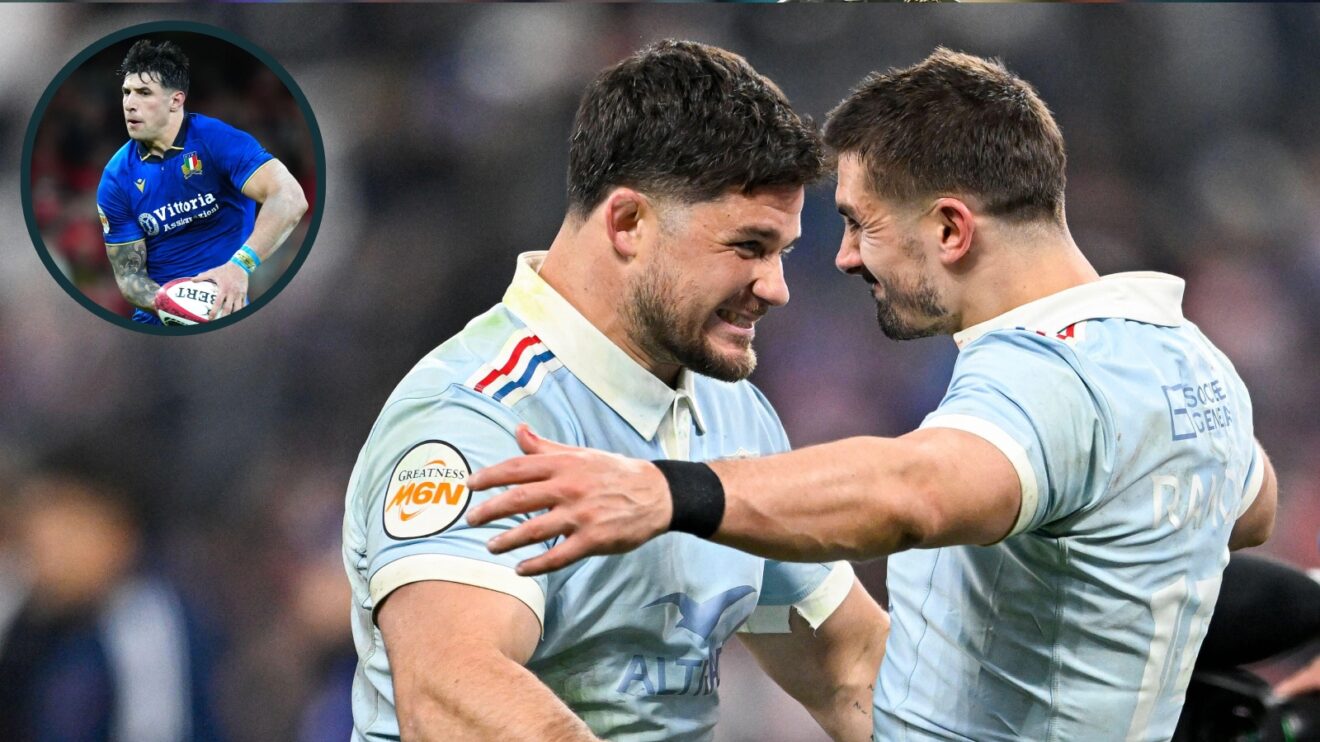
Tommaso Menoncello was the standout star for Italy, finishing in the top five for carry metres (363m), defenders beaten (20), and clean breaks (14), and finished top for metres per carry with 8.6.
Ireland
Ireland maintained the tournament’s best defensive record, conceding just 14 tries and making 888 tackles. They also tied for the most turnovers won, averaging 8.4 per 80 minutes, and topped the jackal chart with 19.
The men in green tied with Italy for the most lineout steals, but stood out in their own right for dominant contacts with 108, and made the most post-contact metres with 713.
The brilliant Irish centre Stuart McCloskey finished joint-top for dominant carries (18), try assists (6), and turnovers won (8).
Scotland
Scotland recorded their most prolific campaign ever, crossing for 20 tries across their five matches, and carried the most out of any team with 761 individual efforts.
Their defence was impressive too, making a chart topping 83.6% successful tackles.
Rory Darge stood out for Scotland, contributing a staggering 326 total actions (carries, tackles, ruck entries) with a defensive success rate of 97.4%, while winger Kyle Steyn beat a remarkable 26 defenders.
England
England’s 46 points in Round 5 set a new record for the most points scored by a losing team. However, they also conceded a record 146 points across the campaign and equalled Italy’s 2002 record with 9 total cards.
Their lineout was as good as any side, winning 74 in total, with a lineout win percentage of 94.9 – better than any other side.
England’s Joe Heyes was the tournament’s most effective scrummager, winning 15 penalties, while Jamie George unsurprisingly won the joint most successful lineout throws.
Captain Maro Itoje made eight turnovers, placing joint top alongside three others, while Ben Earl stood clear in carries (94) and post-contact metres (111).
Wales
In front of the posts, Wales were well in front, hitting a remarkable 93.3% of all their kicks – well in front of closest chasers France, who were almost 6% behind them.
They also led the open play kicking stats, making 29.4 metres per kick – although they only retained a measly 10.2% of all ball they kicked away.
Individually, Louis Rees-Zammit made the most metres out of everyone in the tournament with 388, while defensive rocks Alex Mann and Dafydd Jenkins led the tackle stats with 87 and 84, respectively.
Young centre Eddie James had a hugely successful Six Nations individually, notably making the most post-contact metres per carry with 2.2.