‘Star power sells’ – US agency chief urges rugby to put players front and centre in Six Nations in order to be ‘truly global’ for 2031 World Cup


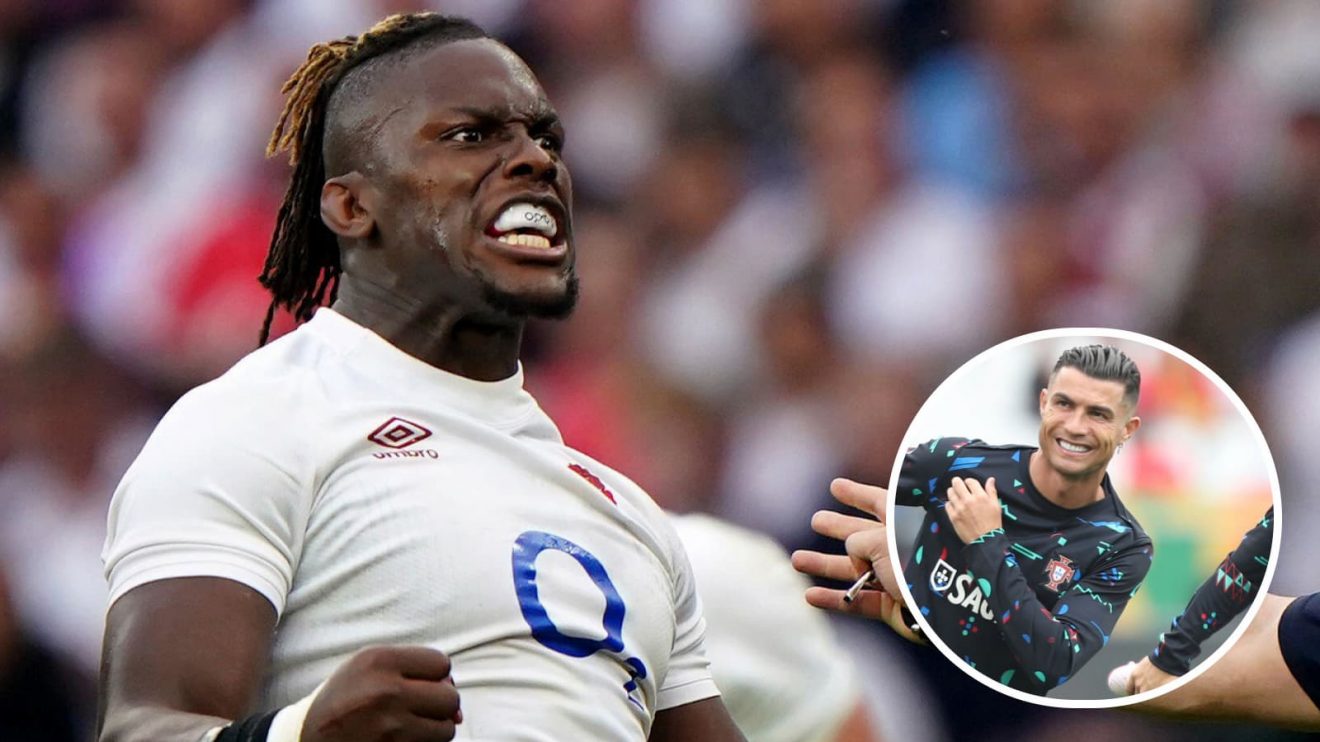
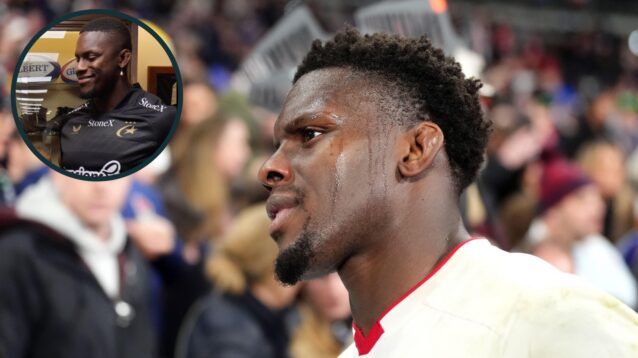
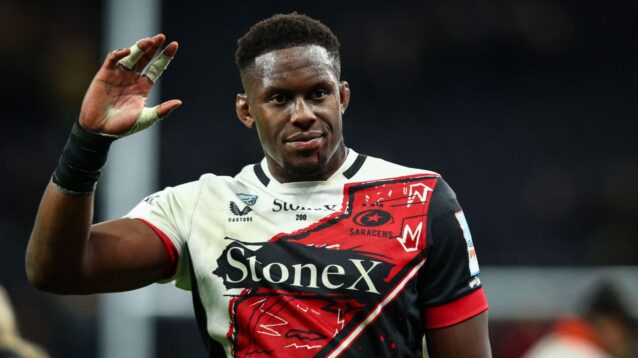
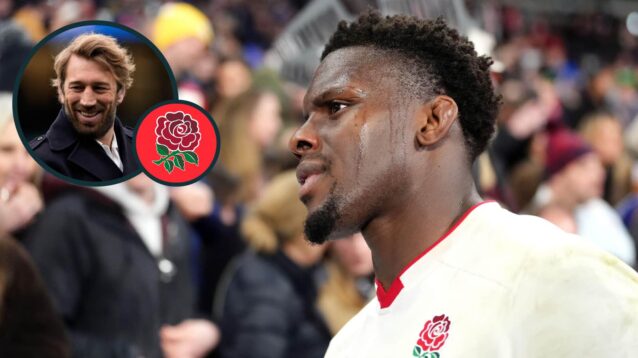
Rugby urged to put Maro Itoje and other top players front and centre.
As Maro Itoje gets out of a shiny car, all suited and booted, the voice of former international Ugo Monye declares that rugby “has never been as hot as it is right now”.
To prove his point the camera pans to a bank of photographers waiting to snap the new England captain. “It’s really captured people’s attention,” Monye continues. “It’s commercially very appealing.”
Precisely 20 seconds later Peter O’Mahony, captain of Six Nations champions Ireland, appears on screen looking a touch irritated.
Team sport
“Living the high life is all well and good, but it doesn’t matter, like,” he growls. “Rugby is all about being part of the team. And, above all, you have to perform.”
Netflix hopes the second season of its Full Contact documentary, released this Wednesday, will showcase the best of rugby union. It certainly captures the contradiction within the sport.
The first 43 seconds of the official trailer paints the picture of a booming sport whilst summing up, in one soundbite, why progress actually remains painfully slow.
Namely, because rugby is a sport wedded to its team ethos and resistant to the cult of personality it needs to embrace in order to take a quantum leap forward commercially.
“Rugby hasn’t accepted that when the spotlight is on a top player who has an incredible story to share, it’s not only great for that player,” says Michael Yormark, president of leading management agency Roc Nation Sports International.
“It’s great for that player’s club team, it’s great for that player’s national team, it’s great for the sport. Because it brings recognition and exposure to the sport.
“Star power sells. Star power helps to expand a fan base. The young generation love to follow superstars. But culturally, rugby has always been about the team. It’s never been about raising the profile of its players.”
‘We’re going to take him to America’ – Marcus Smith’s agency lay out big plans for England fly-half
Yormark is on a mission to change that. Not to damage the fabric of the sport, rather, he says, to bolster its overall popularity. As Planet Rugby revealed yesterday he plans to take Marcus Smith to the United States to transform the England fly-half’s profile in sport’s biggest market.
Yormark believes rugby is only scratching the surface of its potential and, three days before the Six Nations tournament kicks off in France, urges the authorities to hear him out.
“I’ve become a big fan of rugby union,” he says. “I love the sport, I love the players, I love the physicality and the skill. But the sport is behind. When you think about the commercial viability of rugby, it’s far behind what I would call its competitors.
“There needs to be a maturity process. And I believe that process starts with the most important asset, the players.
“They’ve been told for so long that they’re part of a sport that’s all about team. That the emphasis should be on the front of the jersey as opposed to the back.
“What I mean by that is the back of the jersey is where you typically put the player name, whereas the crest goes on the front.
“Well, think about American sports: the NBA, the National Football League, Major League Baseball, the National Hockey League and now the MLS with Messi.
“Those names on the back of the jerseys are critically important to the growth of the game, to the relevancy and popularity of the game, and how that game connects with fans.
“The NBA is an incredible shining example of a sport that has a real partnership between the owners and the players. Everyone has a seat at the table. They make decisions together.
“The stars really help to market the sport, whether it’s a LeBron James, a Kevin Durant, a LaMelo Ball, or some of the younger guys coming through.
“They are taking the sport into communities, not only in America but around the world. That’s how you grow.”
On Monday Premiership Rugby reported a “significant” rise in young fans with almost a million new supporters aged 18 to 34 versus 12 months ago – the highest level of interest in five years.
That is worth celebrating but does not change the fact rugby – despite high profile spikes during Six Nations and Lions tours – has an awfully long way to go.
The Premiership club with the highest number of Instagram followers is Harlequins with 278,000. Toulouse lead the way globally on the club front with 592,000.
Compare that to other team sports: to football (Real Madrid 171m), Major League Baseball (LA Dodgers (4.7m), NFL (Kansas City Chiefs 4.4m), women’s football (Chelsea 4m). The difference is stark.
Yormark has experienced pushback from rugby’s more ‘traditional’ followers when speaking on this subject in the past. “Thanks for the advice but no thanks,” wrote one. “Rugby has nothing to learn from American sport,” claimed another.
“We all need to learn from each other,” Yormark counters. “If rugby union is coming to America and wants to have a relevant World Cup in 2031 it’s got to market the sport and its players so that it gains traction in that market.
Big fan of rugby
“I’m a big fan of the game and I want this sport to be extraordinarily successful. I want this sport to be truly global. But you have to adapt to the US market.
“You have to adapt to the US culture. What’s critically important to US sports fans are players, star power, the entertainment value of the sport.
“Sport is so competitive globally, and there are so many options. You’re fighting for a share of mind, you’re fighting for investment.
“If the sport isn’t seen to be moving forward and making progress, it will be very difficult for it to continue to secure the investment it needs to take big steps in the future.”
He insists the time is now “to grasp the opportunity that is right in front of us” but is frustrated rugby has so many constituents “that aren’t on the same page, that aren’t aligned on how this game needs to move forward”.
“I believe the sport can get there,” says Yormark. “But it’s going to take the various stakeholders that are involved to come together to map this out, to create a blueprint for success and go out and execute aggressively.”
Instagram followers
Selection of global sports stars
Cristiano Ronaldo (football) 648,000,000
Leo Messi (football) 505,000,000
LeBron James (NBA) 159,000,000
Kylian Mbappe (football) 123,000,000
Steph Curry (NBA) 58,005,000
Lewis Hamilton (F1) 39,000,000
Odell Beckham Jr (NFL) 17,300,000
Serena Williams (tennis) 17,200,000
Ronda Rousey (judo/WWE) 17,200,000
Novak Djokovic (tennis) 15,700,000
Simone Biles (gymnastics) 12,500,000
Shohei Otani (MLB) 8,800,000
Patrick Mahomes (NFL) 6,700,000
Travis Kelce (NFL) 6,700,000
Alex Rodriguez (MLB) 4,300,000
Rory McIlroy (golf) 2,900,000
Noah Lyles (athletics) 1,500,000
Keely Hodgkinson (athletics) 524,000
Rugby union (selected)
Ilona Maher 4,900,000
Siya Kolisi 1,400,000
Antoine Dupont 1,100,000
Eben Etzebeth 616,000
Owen Farrell 356,000
Maro Itoje 322,000
Marcus Smith 301,000
Finn Russell 157,000